
Mold Testing in Rock Hill Station, PA

Know Exactly What's Growing in Your Home

Lab-backed mold testing that finds hidden problems before they cost you thousands or make your family sick.

Hear from Our Customers

Professional Mold Testing Services

Stop Guessing. Start Knowing What You're Dealing With.

You can’t fix what you can’t see. And most mold problems in Rock Hill Station homes aren’t obvious until they’ve already spread behind walls, under floors, or into your HVAC system.

Professional mold testing gives you the full picture. Not just where mold is growing, but what type it is, how much is there, and whether it’s affecting your indoor air quality. That matters because different mold species require different approaches, and some pose serious health risks while others don’t.

Testing also catches problems early, when remediation might cost a few hundred dollars instead of several thousand. It protects your property value, gives you documentation for insurance claims or real estate transactions, and answers the question that’s probably keeping you up at night: is this actually dangerous, or am I overreacting?

You’re not overreacting. Bucks County’s humid climate creates perfect conditions for mold growth, especially in basements, crawl spaces, and older homes near the Delaware River. If you’re smelling something musty, dealing with unexplained allergies, or worried about water damage from a recent leak, testing is the fastest way to know whether you have a problem worth addressing.

Mold Testing Company Rock Hill Station

We Test Homes in Rock Hill Station Every Week

We’ve been helping Bucks County homeowners identify and address mold problems for years. We’re not a national chain that parachutes in without understanding local building conditions. We know how Pennsylvania’s seasonal humidity affects homes here, which construction styles are most vulnerable, and what problems show up most often in this area.

We use certified laboratories for analysis, advanced detection equipment like thermal imaging and moisture meters, and we follow EPA and OSHA guidelines on every inspection. You get detailed reports, clear explanations, and honest recommendations about what needs to happen next.

Most importantly, we’re not trying to upsell you on remediation you don’t need. Our job is to give you accurate information so you can make the right decision for your home and your family.

How Mold Testing Works

Here's What Happens During a Mold Inspection

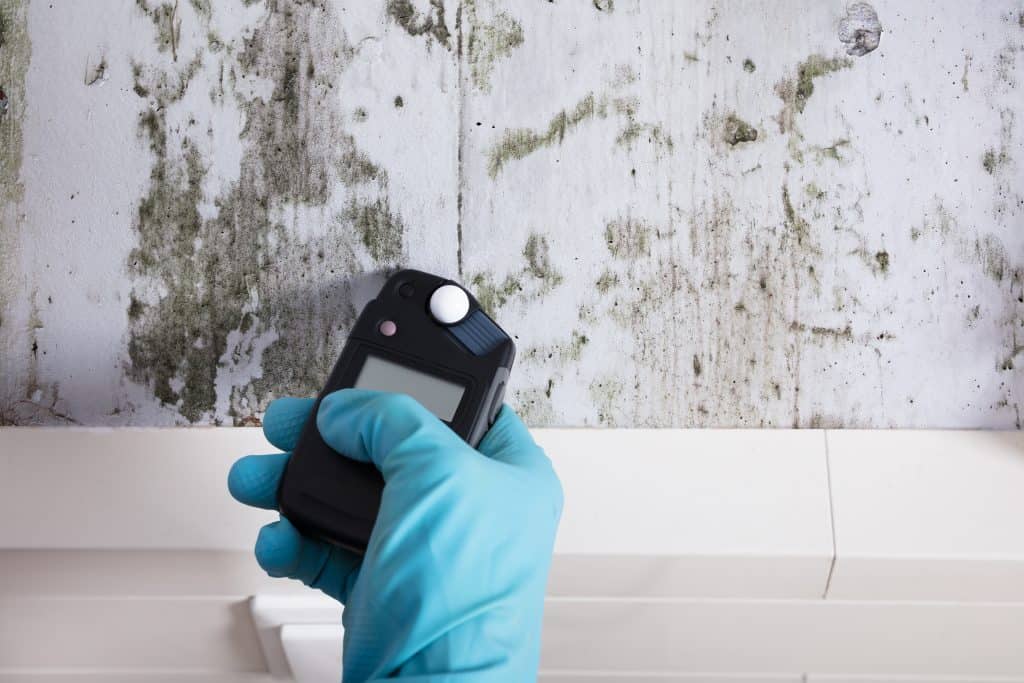
First, we walk through your property and conduct a complete visual assessment. We’re looking for visible mold, water stains, moisture problems, and conditions that encourage mold growth. We use moisture meters to check walls, floors, and ceilings, and thermal imaging to detect hidden moisture you can’t see.

Next, we collect air samples from different areas of your home and compare indoor air quality to outdoor baseline levels. Air sampling is especially useful because it captures mold spores that have become airborne from hidden colonies behind walls or under flooring. We also take surface samples if we find visible growth that needs identification.

All samples go to a certified laboratory for analysis. You’ll get results in three to seven business days that identify specific mold species, concentration levels, and whether those levels are abnormal compared to outdoor air. We’ll walk you through the findings, explain what they mean for your health and property, and give you clear recommendations about next steps.

If remediation is needed, we’ll connect you with qualified specialists and provide documentation that helps with insurance claims. If testing shows your air quality is fine, you’ll have peace of mind and proof that your home is safe.

Ready to get started?

Explore More Services

About Mack's Mold Removal

Residential Mold Testing Rock Hill Station

What's Included in a Mold Testing Service

Every mold inspection includes a thorough visual assessment of your entire property, moisture readings throughout the home, and professional air sampling that captures what’s actually in your indoor air. We check basements, crawl spaces, attics, bathrooms, kitchens, and any areas where you’ve noticed problems or have concerns.

You’ll receive laboratory analysis results that identify specific mold types and their concentrations, detailed photographs of problem areas, moisture level readings, and a written report that explains our findings in plain language. We also provide clear, actionable recommendations and help you understand whether remediation is necessary or if simpler solutions like improved ventilation might solve the problem.

Rock Hill Station homes face specific challenges due to Bucks County’s humid conditions. Older properties near the Delaware River often have basement moisture issues, while newer construction sometimes has ventilation problems that trap humidity indoors. We’ve seen both scenarios dozens of times, and we know what to look for based on your home’s age, construction type, and location.

Testing typically costs between three hundred and eight hundred dollars depending on the size of your property and how many samples are needed. That’s a small investment compared to the thousands you might spend on remediation if problems go undetected, or the twenty to thirty percent loss in home value that undisclosed mold can cause.

How do I know if I actually need professional mold testing?

You need testing if you’re experiencing health symptoms like coughing, wheezing, or unexplained allergies that get better when you leave the house. You need it if you smell something musty but can’t locate the source. You need it after water damage, flooding, or plumbing leaks, even if you dried everything quickly.

You also need testing before buying or selling a home, especially if the property is older or has a history of moisture problems. Many buyers request mold inspections as part of their due diligence, and sellers benefit from testing before listing because it prevents surprises during negotiations.

DIY test kits from hardware stores aren’t reliable enough to base decisions on. They don’t tell you mold species, concentration levels, or whether your indoor air quality is actually problematic. Professional testing uses certified laboratories and compares your results to outdoor baselines, which is the only way to know if you have an abnormal mold problem or just normal background levels that exist in every building.

The most common types we find in Bucks County homes are Cladosporium, Penicillium, Aspergillus, and Stachybotrys (black mold). Cladosporium typically grows on wood surfaces and in HVAC systems. Penicillium shows up on water-damaged materials like drywall, carpet, and insulation. Aspergillus thrives in very damp conditions and is often found in bathrooms and basements.

Stachybotrys is what most people call black mold, and it grows on materials with high cellulose content like drywall and wood when they stay wet for extended periods. It’s less common than the others but gets the most attention because it produces mycotoxins that can cause serious health effects.

The specific type matters because it tells us how the mold got there, what conditions are supporting it, and what health risks it might pose. Some molds are relatively harmless at low levels, while others require immediate attention. Laboratory analysis identifies exactly what you’re dealing with so you can respond appropriately instead of guessing.

The on-site inspection usually takes one to two hours depending on your property size and how many areas need attention. We’re thorough but efficient. You don’t need to do anything special to prepare, just make sure we can access all areas of your home including basements, crawl spaces, and attics.

Laboratory results typically come back in three to seven business days. Certified labs prioritize residential testing, but they need time to culture samples and conduct proper analysis. Rushing this process compromises accuracy, and accuracy is the entire point of professional testing.

Once we receive results, we’ll schedule a follow-up consultation to walk through the findings with you. We’ll explain what the lab found, what the concentration levels mean, whether they’re abnormal for indoor environments, and what your options are. You’ll have everything in writing, including photographs and detailed reports you can share with contractors, insurance companies, or real estate agents if needed.

Air sampling is particularly effective at detecting hidden mold because it captures spores that have become airborne from concealed colonies. If mold is growing behind drywall, under flooring, or inside wall cavities, spores eventually make their way into your indoor air. Testing picks up those spores even when you can’t see the source.

We also use moisture meters and thermal imaging cameras to detect dampness and temperature variations that indicate hidden moisture problems. Mold needs moisture to grow, so finding wet areas behind walls often means finding mold or conditions that will lead to mold growth very soon.

That said, air sampling shows you what’s in your air right now, not necessarily where it’s coming from. If testing reveals elevated mold levels, we use our visual inspection findings and moisture readings to pinpoint likely source areas. Sometimes that means recommending limited exploratory work to confirm what’s behind a wall before committing to full remediation. It’s about giving you enough information to make smart decisions without tearing apart your home unnecessarily.

Many insurance policies cover mold inspections if they’re related to a covered water damage claim, like a burst pipe or storm damage. If you had a plumbing leak, roof leak, or flooding and you’re filing a claim, testing costs are often included as part of the assessment process.

However, insurance typically won’t cover testing for long-term moisture problems or maintenance issues like poor ventilation, chronic humidity, or slow leaks you should have addressed earlier. Coverage varies significantly between policies, so you’ll need to check your specific policy language or call your insurance company directly.

We can help with this process. We provide detailed documentation, photographs, and professional reports that insurance companies require, and we’re experienced in working with adjusters to support legitimate claims. Even if insurance doesn’t cover testing, the few hundred dollars you spend upfront can save you thousands in remediation costs by catching problems early, and it protects you from buying a home with hidden mold issues or selling one without disclosing known problems.

If testing reveals elevated mold levels or identifies problematic species, we’ll give you a clear explanation of what that means and what your options are. Not all mold findings require expensive remediation. Sometimes the solution is fixing a moisture source, improving ventilation, or cleaning affected areas with proper methods.

When remediation is necessary, we’ll connect you with qualified specialists who can handle the work according to industry standards. You’ll understand the scope of the problem, what needs to happen to fix it, and roughly what it should cost. Our reports give contractors the information they need to provide accurate estimates instead of guessing.

The worst thing you can do is ignore the findings. Mold doesn’t go away on its own, and it gets more expensive to address the longer you wait. Small problems become big problems when moisture continues feeding mold growth. But knowing exactly what you’re dealing with puts you in control, and that’s the entire point of testing. You’ll make informed decisions based on facts instead of fear, and you’ll protect your home’s value and your family’s health.

Other Services we provide in Rockhill Station